(973) 339-3994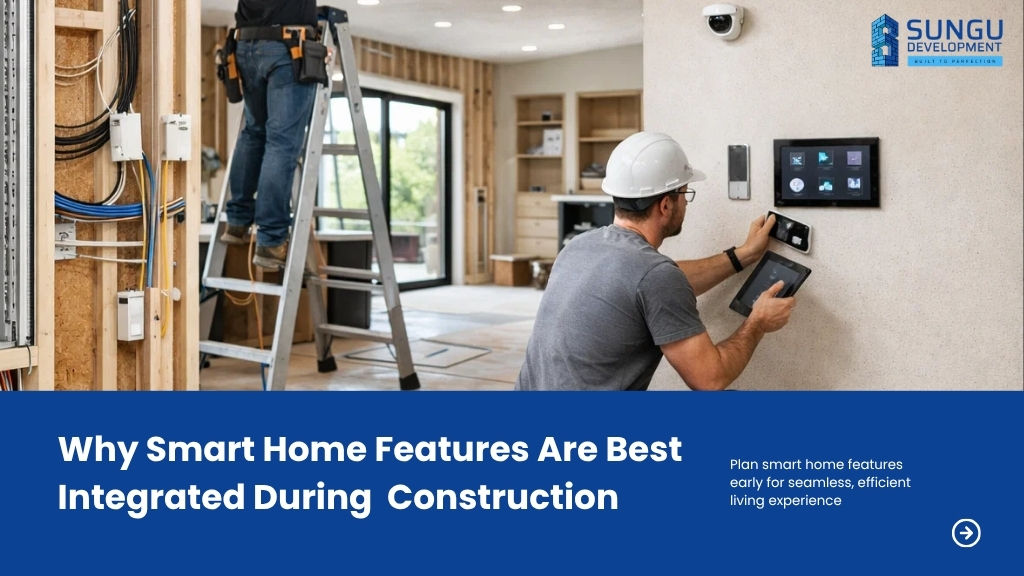
Building a new home gives you one big advantage: you can plan technology the right way from the start. Instead of adding devices later, you can build a home that is cleaner, smarter, and easier to manage every day.
When smart home features are included during construction, installation is simpler, wiring stays hidden, and the whole system works together better. This is especially helpful for homeowners planning custom smart homes in places like River Edge, New Jersey, where comfort, efficiency, and long-term value matter.
Why It Is Better to Plan Smart Features Early
Smart home construction is not just about adding a few gadgets. It means thinking ahead about how your home will function, how rooms will be used, and how different systems will connect.
Planning early helps because:
- walls are still open for wiring
- network equipment can be placed in the right spots
- devices can be installed with a cleaner finish
- the home can be designed for future upgrades
- you avoid expensive retrofit work later
A smart home builder can help map out the right setup before the first wire goes in. That is often the difference between a home that feels seamless and one that feels patched together.
What Smart Home Construction Really Means
Smart home construction means building technology into the home’s structure instead of treating it like an add-on. That can include:
- smart lighting controls
- climate control systems
- security cameras and smart locks
- built-in audio and entertainment
- leak detection and safety alerts
- energy monitoring tools
- strong Wi-Fi and network wiring
In traditional homes, many devices work separately. In custom smart homes, these systems can work together. For example, one command can lock the doors, turn off lights, lower the thermostat, and arm the security system before bed.
That level of convenience only works well when the home is designed with custom home technology in mind.
The Smart Infrastructure You Should Include During Construction
Before choosing fancy devices, focus on the infrastructure. This is the backbone of a reliable smart home.
Structured Wiring
Structured wiring helps support internet, security, entertainment, and automation systems. Hardwired connections are usually more stable than depending on Wi-Fi alone.
Strong Wi-Fi Coverage
Many homeowners underestimate this step. A large or multi-level home needs access points placed in the right locations. Poor Wi-Fi can make even the best smart devices frustrating to use.
Central Control Location
Set aside space for network gear, hubs, panels, and future upgrades. A dedicated closet or utility area keeps everything organized and easier to maintain.
Electrical Planning
Smart homes often need extra outlets, dedicated circuits, and room in the electrical panel for future additions. It is much easier to plan this now than later.
Best Smart Home Features to Add Room by Room
Not every feature belongs in every room. A better approach is to choose upgrades that improve daily life.
Living Room
The living room is often the main gathering space, so convenience matters.
Consider adding:
- smart lighting scenes for movie nights or entertaining
- built-in speakers
- motorized shades
- hidden wiring for TVs and sound systems
Kitchen
The kitchen benefits from both automation and energy efficiency.
Popular options include:
- voice-controlled lighting
- smart appliances
- touchless faucets
- smart plugs for small appliances
Bedrooms
Bedrooms should feel comfortable and relaxing.
Useful features include:
- automated blackout shades
- smart thermostats or room sensors
- bedside lighting control
- smart security alerts
Bathrooms
Bathrooms are a great place for comfort-focused upgrades.
Good choices are:
- heated floors with smart controls
- leak detection sensors
- smart mirrors
- humidity-based ventilation
Benefits of Adding Smart Home Features During Construction
Installing smart home features during construction offers more than convenience.
1. Lower Installation Costs
Labor is usually cheaper when wiring and devices are installed before walls are closed.
2. Cleaner Design
You avoid visible wires, extra holes, and awkward device placement.
3. Better System Performance
Integrated systems tend to work better than a mix of random devices added over time.
4. Easier Future Upgrades
A home with the right wiring and network setup is easier to update later.
5. Higher Home Value
Buyers often see built-in smart home technology as a major plus, especially when it improves security and energy efficiency.
Tips for Building a Future-Ready Smart Home
A smart home should still work well five or ten years from now. That is why future-proofing matters.
Choose Compatible Systems
Avoid buying devices that only work within one narrow platform unless that is part of a long-term plan. Compatibility gives you more flexibility.
Keep It Simple
Too much automation can make a home harder to use. Focus on features that solve real problems.
Plan for Expansion
Even if you are not installing everything now, ask your builder to pre-wire for:
- outdoor cameras
- speakers
- solar integration
- EV charging
- home office upgrades
Think About Daily Habits
The best custom smart homes support real routines. For example, morning lighting scenes, energy-saving temperature settings, and automatic nighttime security can all make daily life smoother.
Common Mistakes to Avoid
Smart home construction can go wrong when homeowners focus on trends instead of function.
Ignoring the Network
A weak network causes lag, dropped connections, and unreliable automation.
Buying Too Many Gadgets
More devices do not always mean a better smart home. Choose tools that add real value.
Skipping Professional Guidance
A qualified smart home builder can help avoid compatibility issues, poor placement, and wasted money.
Forgetting Long-Term Support
Some products look exciting now but may not be supported later. Reliable brands and scalable systems are usually the better choice.
Waiting Until the End of Construction
Technology decisions made too late often lead to rushed installation and missed opportunities.
Final Thoughts
Adding smart home features during construction is one of the smartest decisions a homeowner can make. It saves money, creates a cleaner finish, improves performance, and makes future upgrades easier.
Whether you want better security, more comfort, or improved energy efficiency, early planning makes a big difference. For homeowners building custom smart homes in River Edge, New Jersey, the key is to start with the right infrastructure, choose useful technology, and work with a smart home builder who understands both construction and automation.
A well-planned smart home does not just feel modern. It feels easier to live in every single day.